Private Parts

Private Parts
By Howard Stern
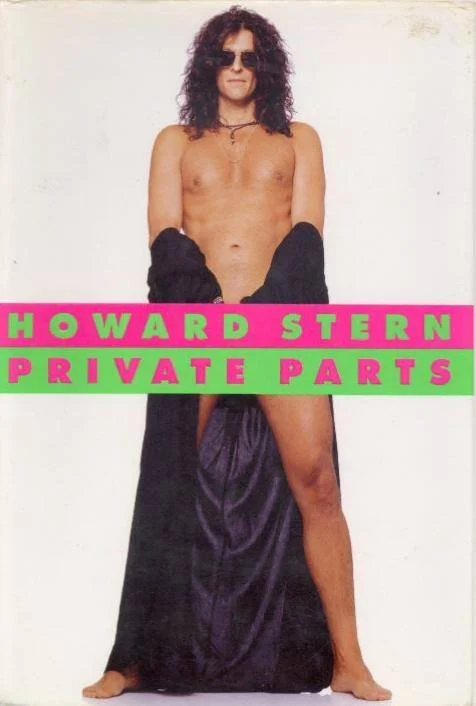
This may sound strange, but Private Parts by Howard Stern is one of my favorite books of all-time. Not because of the taboo reputation of his radio show but because of its depiction of the man behind the show itself. I’ve always found it fascinating the way some famous people manage to get where they are, especially when their origins are humble, and Stern is no exception.
Stern begins his autobiography with a surprise of his own—a graphically sexual letter written by one of his fans detailing his reaction to listening to The Howard Stern Show on his way to work. Upon first reading this exposition, the reader finds themselves asking just what the hell they’ve gotten themselves into by choosing to read this book, only to be pleasantly surprised when Stern’s narration begins. Whatever prejudgments the reader might have developed from reading the perverted fan’s letter are dissolved as Stern calls out the sick nature of the fan and essentially declares his show and his vision of radio to be misunderstood—that while he’s depicted as a taboo figure for his willingness to discuss private subject matter, in reality, he’s just a radio host searching for truth and grounded realism in his show. Something which is often sugar-coated in a plastic persona by many of the famous elite.
This truth not only shatters whatever preconceived notions might be had of him going into the autobiography; it also serves to build intrigue as to what Stern’s story is—the truth behind the bad reputation he and his show get from the mainstream media—while building the foundation of comfort between Stern and his reader. This tactic in storytelling is brave given the fact that some readers might not be able to read past the first page, while also weeding out the weak and finding those who will give him a chance enough because they truly want to understand him.
Intermixed with a multitude of layers, Private Parts not only tells the story of Stern’s climb into stardom. It depicts the struggles he’s faced with public opinion along the way in his efforts to muckrake the hypocrisy and phony personas of many rich and famous, laden with more than enough hate mail and angry callers to make the reader wonder why he kept going. Showing them that the reason he and his team of misfit radio hosts always persevered is because they all believed in both a societal commentary and a truth in interviewing which was grounded in the sense that everyone is a regular person.
Stern’s humor may be off the wall at times and his views potentially over-the-top, but at the end of the day, his narration is as true as his personality. And it’s exactly the kind of storytelling a reader can trust and want to read until its finish. I hold the utmost respect for him for laying bare his life and thoughts for the world to read, opening up the conversation in his resolution of the work for the reader to decide for themselves—to determine if they believe he’s just another whacko or a man with a unique vision of the world. Love him or hate him, any reader would need to respect that kind of realistic truth.
I’d like to recommend this book to anyone interested in the art of narration. Or anyone seeking a surprise glimpse into how we traditionally view our rich and famous. If you give Stern a chance, I don’t think you’ll be disappointed at all with Private Parts.