The Perfect Escape
The Perfect Escape
By Daniel Hurst
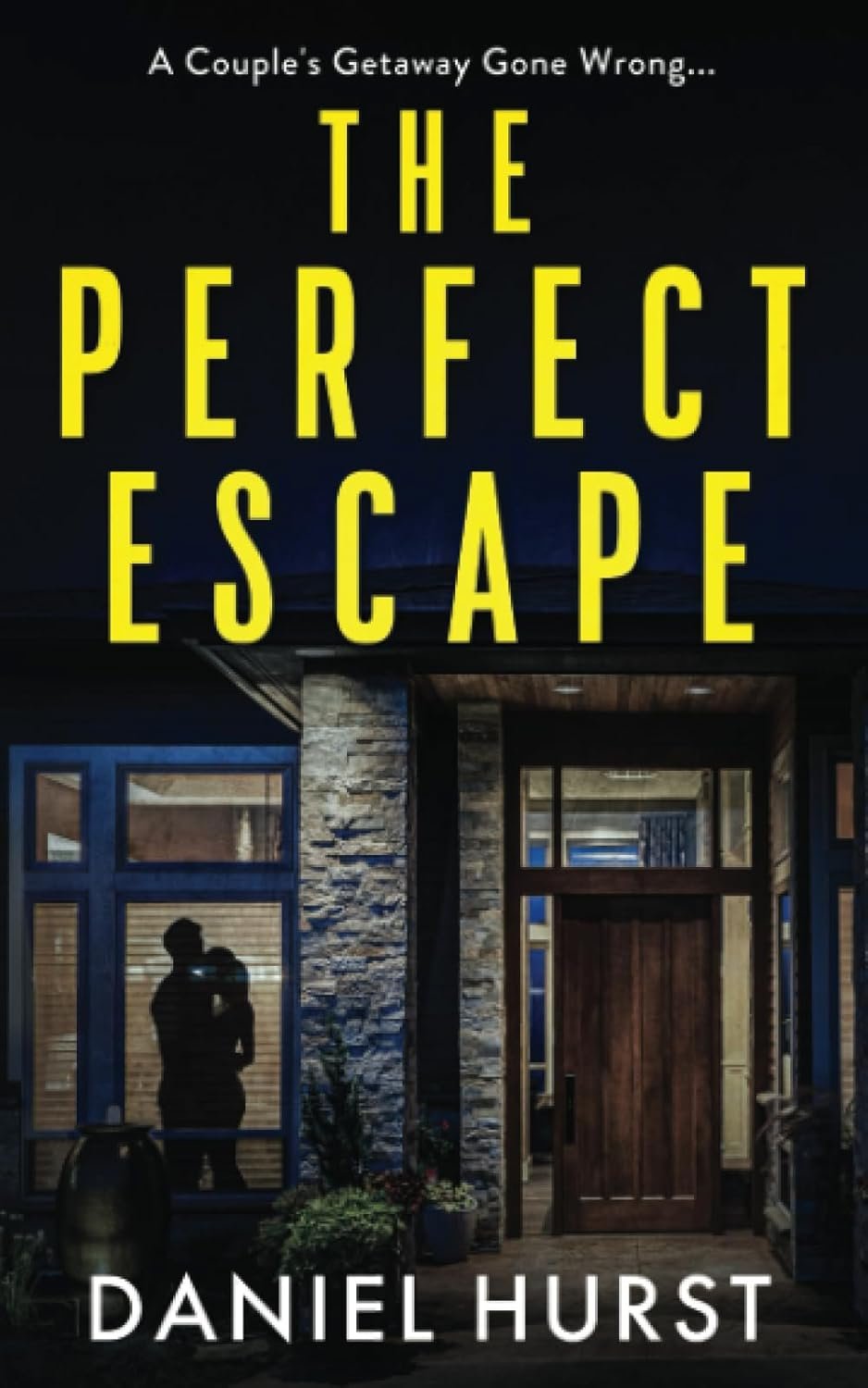
In my efforts to read more widely in the world of suspense fiction, I accidentally came across the novel The Perfect Escape by Daniel Hurst. A British novelist I’d never heard of before. And after seeing its many positive reviews on Amazon, I thought I’d give it a try.
For those unfamiliar with this novel—as I suspect many may be—the story follows a couple taking a break from their stressful lives to enjoy a quiet getaway in the English countryside. Only for their stay to be interrupted by a deranged landowner of the property drawing them into her sinister plan. It was this premise which intrigued me because it read more like the plot to a sensational horror movie than a well-planned thriller. And on the surface, this novel has so many elements of suspense which make it successful—once more, on the surface. It’s only when the reader delves deeper into the fictional world of the story that they discover this book isn’t exactly what it seems.
Before I go any further, I’d like to preface that I truly wanted to like this book. More than a few times while I read through it from start to finish, I found myself hoping the problematic plot would improve. Unfortunately, that did not happen.
The first issue that I had were the characters. When writing any kind of fiction, it’s typical plot structure that your cast of characters is introduced in the beginning and each are shaped both as the conflict is first presented and slowly unfolds. There are, of course, exceptions to this structure, but generally, most fiction operates this way. Hurst begins his novel by following this traditional method, only to abandon it about halfway through the novel. Instead of full-fledged characters who have clear cut arcs woven into the fabric of the plot, his character arcs and motivations only seem to align with the current scene to suit the writer’s needs. This is a dangerous way to write because it not only presents the characters more as plastic caricatures, but their change as a result of the conflict becomes so convoluted that it’s difficult to both pinpoint theme and sympathize with them. I wanted to like Faye. And a small part of me did up until her one-on-one interactions with Bridget. From that point forward, I not only wondered if I still liked her as a character but—more importantly—if I believed her as a character.
That was the first rub for me.
But when there’s an issue that large that it ruins the reader’s experience in bonding with the characters, I’ve discovered it usually roots from something else. And when it comes to the thriller and suspense genres, it usually stems from a plot that’s trying to do too much, usually for the sake of incorporating some kind of daring twist. While I will not spoil this novel for anyone who chooses to read it, I will say that Hurst chooses to stack twist upon twist so that many scenes have something hidden. The end result is that this novel is attempting to do way too much that it reads overly sensational and, at times, melodramatic. The basic story gets lost. The reader doesn’t know who to root for or what thematic wisdom to extract from the tale. And ultimately, the reader also feels betrayed because the clues leading up to each twist weren’t clever enough that the reader could guess with any accuracy. Too much information was withheld until each great reveal that the guessing game of what will happen next—which lies at the heart of any fast-paced, suspenseful fiction—was stacked against the reader. That was disappointing.
That being said, perhaps most disappointing about this novel was the violation of the trust built in narration. Without spoiling it, this novel had two unreliable narrators among its cast of characters, with each character in the cast narrating their own individual chapters. While that can work if done successfully to reveal a shocking twist in the later parts of the narrative, like with any twist, the writer must weave in subtle clues to make the reader guess. Otherwise, it becomes a striking violation of the trust the reader develops with the current narrator. That can be enough to turn off a reader entirely and make them stop reading. It may also deter them from trying any other book the writer has written. Hurst included no clues that two of the characters were somehow unreliable. This, once more, stacked the deck against the reader. And the result was that the great reveal during the third act of the novel was too jarring for me to want to read further. That was where I truly no longer liked this book.
I realize I’m focusing a lot on what was done wrong. This is meant as no insult to the writer and is strictly the opinion of one person. Someone may disagree with me, and that’s swell. I hope someone in this great and wonderful world liked his novel. But I feel like this is a great example for novice, ambitious writers because it’s laden with examples of issues which I have had to learn the hard way over the years. It could effectively be used as a teaching tool for students simply for that reason.
While I did not care for The Perfect Escape by Daniel Hurst, I encourage anyone to read it for themselves to determine their own findings. And I’m thankful for having had the opportunity to read this work so I might look more closely at what faults my own fiction might have.